
What’s the Big Deal? It’s Only the Arts…
This April, a news article from The Hill Times highlighted a study from the Canadian Chamber of Commerce that put to rest the myth that cultural spending is a drain on federal finances. The report, Artworks: The Economic and Social Dividends from Canada’s Arts and Culture Sector, found that in 2024, the arts and culture sector contributed $65 billion to Canada’s Gross National Product. Even more striking, growth in the arts sector has outpaced industries such as oil and gas, construction, wholesale and retail trade, and manufacturing.
And when you stop to think about it, that makes perfect sense. Because what would a day without a story be like?
Stories are how we make sense of experience. Whether it’s watching a television show, getting lost in a novel, attending a theatre or musical performance, or pausing in front of a painting on the wall, human beings are constantly shaping moments into beginnings, middles, and endings. Strip that away, and our days would become a sequence of disconnected events. We might wake up, eat, talk, and work, but none of that would carry meaning beyond the immediate moment.
In fact, even imagining a day without a story quickly becomes a story in itself - which may be the clearest sign of how deeply storytelling is woven into what it means to be human.
This understanding is echoed at the national level. The Canada Council for the Arts emphasizes that the arts are fundamental to a healthy society. They strengthen our identity, foster connection, and ensure that Canadians from all walks of life can see themselves reflected in the stories we tell. In their view, a vibrant and accessible arts sector is not a luxury, but a cornerstone of national life.
Beyond the personal, the impact of arts and culture is felt across entire communities. The Federal "Festivals and Major Events Canada” fund supports more than 500 festivals nationwide, bringing people together in shared experiences that animate towns and cities from coast to coast. And that doesn’t even begin to account for the countless live theatre performances, concerts, and local arts events that multiply across the country, especially during the summer months.
In Ontario, the Experience Ontario program is investing $20 million this year to support festivals and events. This funding drives tourism, creates jobs, and celebrates the unique character of communities across the province.
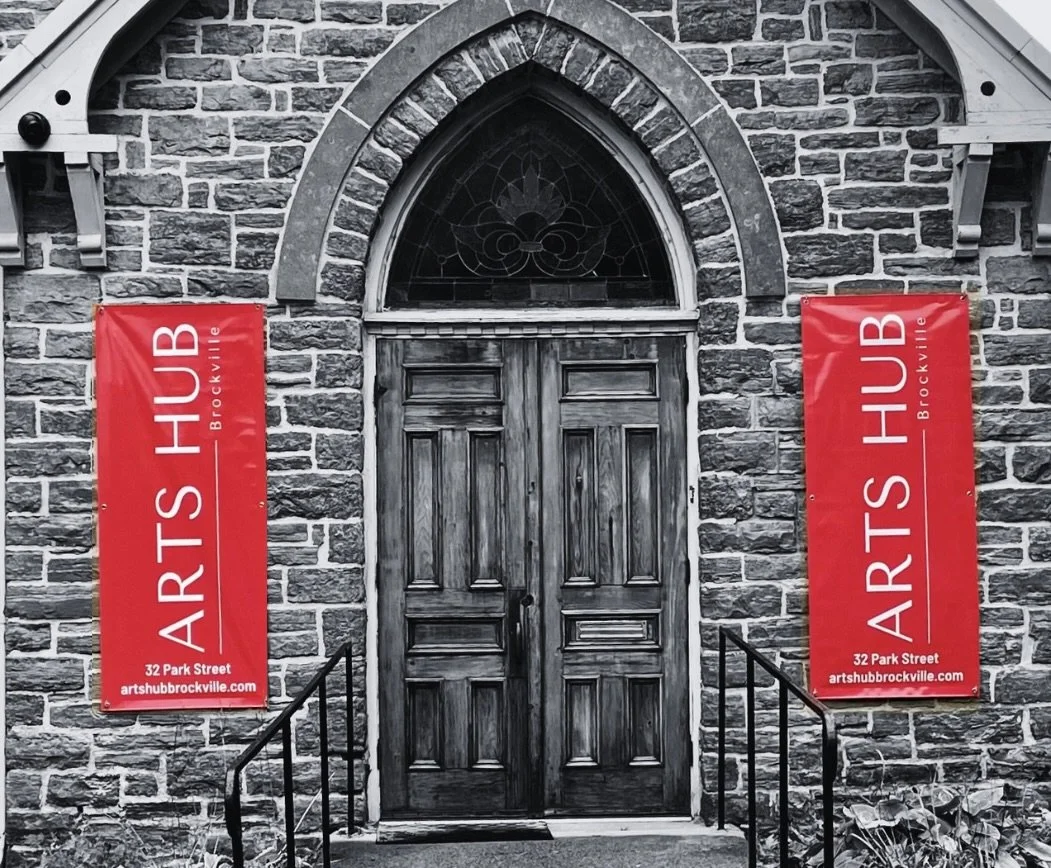
Arts Hub Brockville plays a vital role in this ecosystem. By showcasing the arts in all its forms, it provides a welcoming space for creativity to flourish. From hands-on art classes and workshops to live music, theatre productions, festivals, and a myriad of other community events, it brings people of all ages and backgrounds into the creative process. The Hub doesn’t just present art, it cultivates it by providing opportunities for emerging artists, fostering connections, and ensuring that arts and culture remain accessible and alive within our community for residents and visitors alike.
As Ontario’s Minister of Tourism, Culture and Gaming, Stan Cho, put it: “From Ontario’s charming and historic small towns to its vibrant cities, festivals and events bring people together, create lasting memories and showcase the best of our communities.” The 2026 Experience Ontario program continues that commitment, supporting events with strong tourism and economic impact. From food festivals to music and arts events, Francophone and Indigenous-led celebrations, to harvest fairs and everything in between, the government investment helps deliver dynamic, homegrown experiences in every corner of the province.
So what’s the big deal?
The arts are not a luxury. They are not an afterthought.
They are how we understand our lives, connect with one another, and express who we are, both individually and collectively.
Economically, socially, and culturally, the arts are not on the margins. They are at the centre.
And always have been.
THE END
Written by Katherine Hobbs